Quamash EcoResearch
Ecological research in support of restoration and conservation

Quamash EcoResearch carries out quality ecological research in support of conservation and restoration. We work on plant-pollinator communities, the ecological impacts of restoration, plant and pollinator invasions, and the conservation biology of rare pollinator and plant species. The majority of our work has a community ecology focus. We work with a diverse group of partners, including regional non-profits, private entities, and government agencies.

Photo: David Cappaert
Why "Quamash"?
The name Quamash comes from the Salish word anglicized as “camas”, now the common name for the beautiful native plant that blankets Pacific Northwest prairies every spring. Camas (Camassia quamash), is a First Food that played a pivotal role in the pre-European ecology and economy of the Northwest.
Join us in an exciting new project
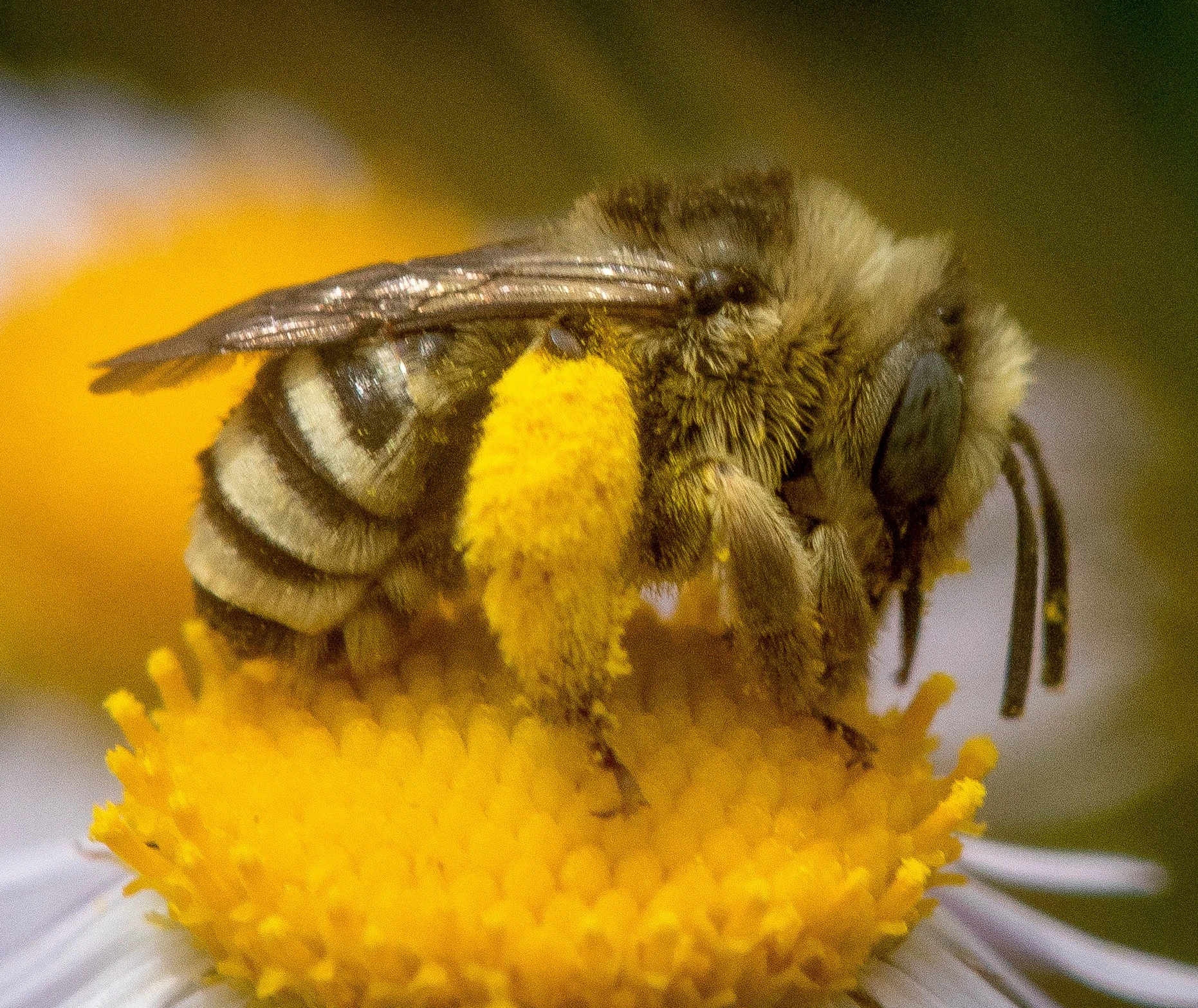

How important are rare wildflowers for pollinators?
Pollinators face a wide array of challenges: many are declining. Many of their intimate partners—plants—are also becoming rare. In response, we are launching the

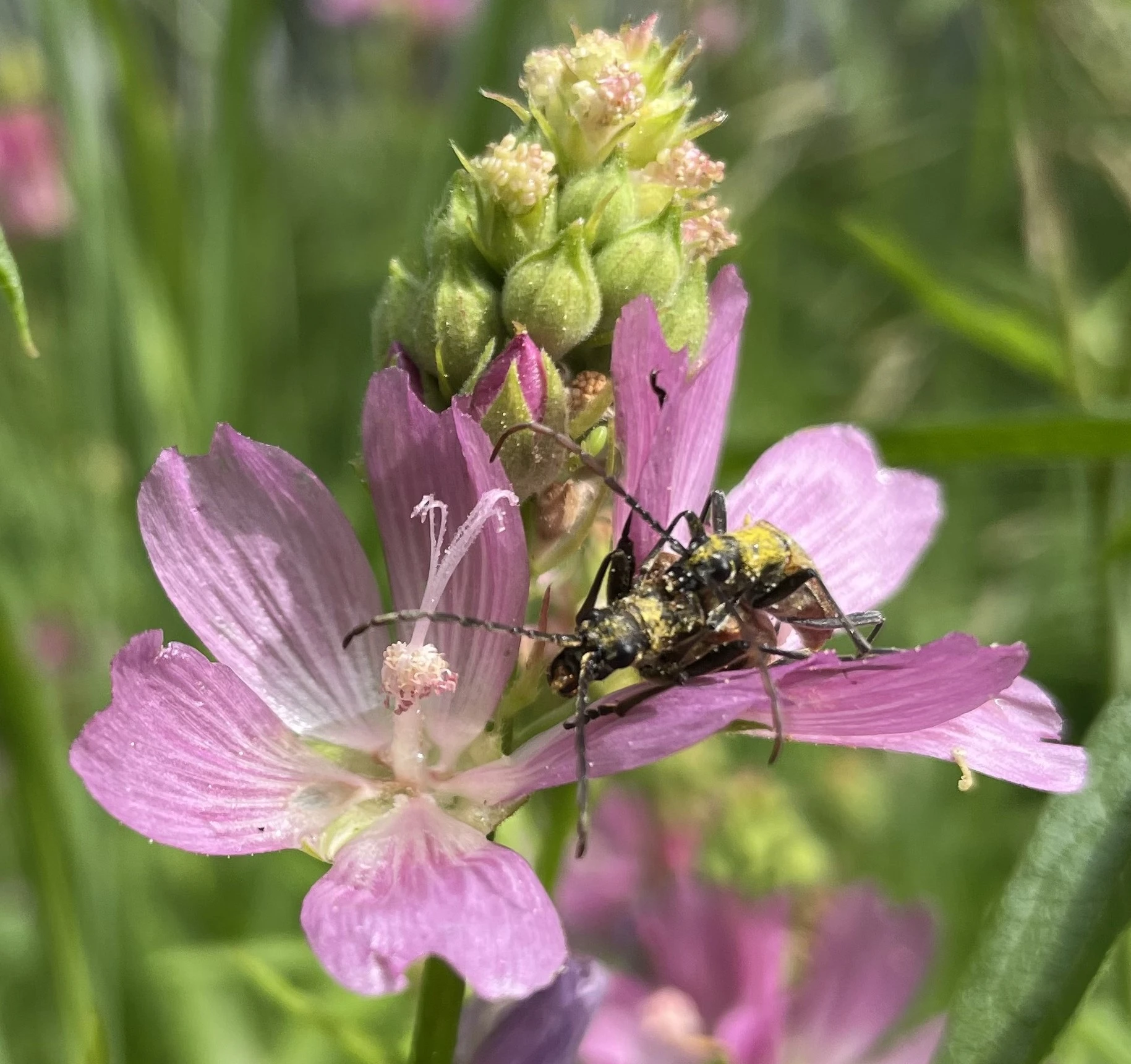
Our recent work with threatened and endangered wildflowers of the Pacific Northwest suggests many pollinators rely on these rare flowers, yet little is known about how often--or how much--pollinators depend on rare plants. In partnerhip with the Washington Native Bee Society, Quamash EcoResearch is embarking on a new collaborative project that will build on the shared expertise of professional and community scientists to answer thus question for a suite of northwest wildflowers.
Read about the Pollinators of Rare Wildflowers Project here.

Fabulous prairie pollinators
PHOTOGRAPHED BY DAVID CAPPAERT
SEE MUCH MORE DIVERSITY IN OUR POLLINATOR GALLERY


